
Know Your Consumption
Detailed knowledge of one's own consumption helps to size a power plant correctly - even if one's own consumption looks quite different after its commissioning.

The first step to a perfect private power plant is always to know and determine your own consumption. Two aspects are important here: total consumption and peak consumption.
You can determine the total consumption by looking at the electricity bills of the last years (ideally 2 or more). Don't forget to check all electricity bills (household electricity, WP electricity, electricity for the EV charging station, etc.).
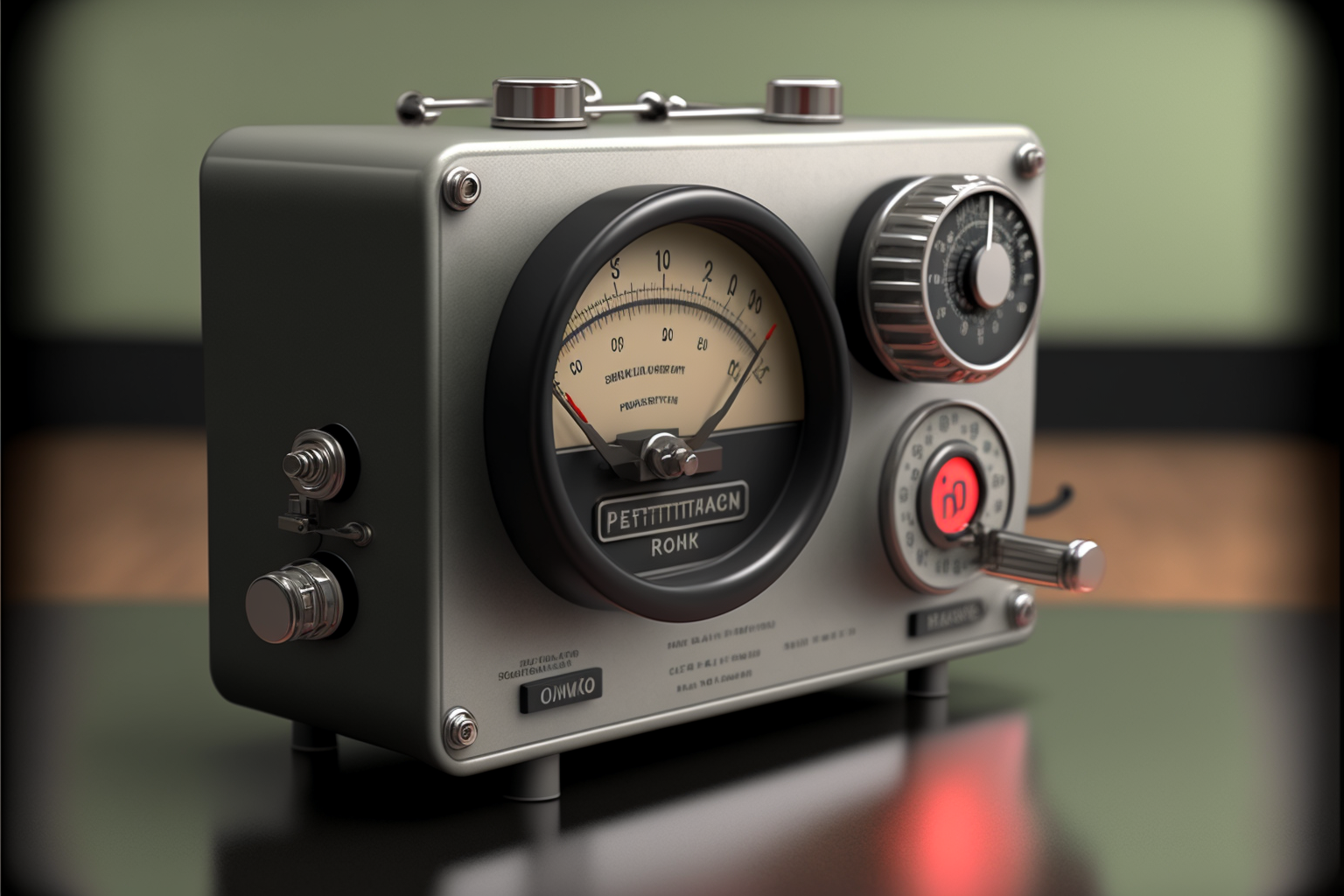
However, the total consumption does not indicate how this consumption is distributed throughout the day or year. The best and most accurate overview can be obtained with a power logger: a measuring device that is placed directly after the EVU meter and continuously measures and records the electricity consumption.
A power logger gives you (or whoever is designing your system) invaluable insights into your actual consumption patterns. You'll quickly understand how much power different appliances draw, when your peak demands occur, and how your usage varies throughout the day and across seasons. This data is essential for proper system sizing.
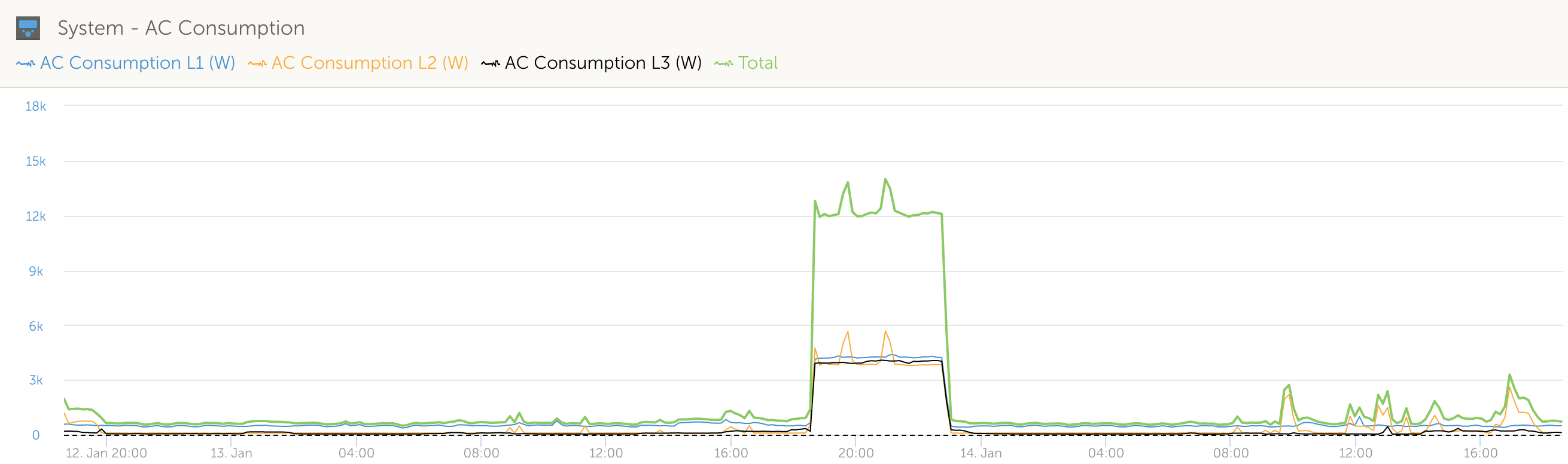
With a power logger, you (or whoever should dimension your system) will quickly get a sense of how high the consumption is at your location, how much different devices consume during operation. You will know these consumption curves over the day and over the year, as well as at special times (vacation or when the whole family is present during holidays).
Investing in such a power logger is not a waste of money - even after the installation of a private power plant, it will be an integral part of the system, and it is often the first component that customers purchase before planning work.
All of this is necessary to know the minimum requirements for your future private power plant. Experience has shown that such a power plant in Central Europe will be designed to cover the winter demand as much as possible and will therefore provide considerable excess power during the rest of the time (May to September, with generously dimensioned systems even March to November).